常见的刺绣服装面料材料


On the fashion stage, embroidered clothing has always occupied an important position with its unique charm. And the material of the fabric, as the basis of embroidered clothing, not only determines the texture of the clothing, but also affects the presentation effect of embroidery technology. For clothing factories, agents, and other customers who need embroidered clothing fabrics, choosing the right fabric material is crucial. Today, we will take you to a deeper understanding of common embroidered clothing fabric materials, providing reference for your procurement and production.


Affordable

We prioritize making high-quality goods accessible to all, offering affordable options that retain industry-leading standards, so excellence never feels out of reach.

Quality

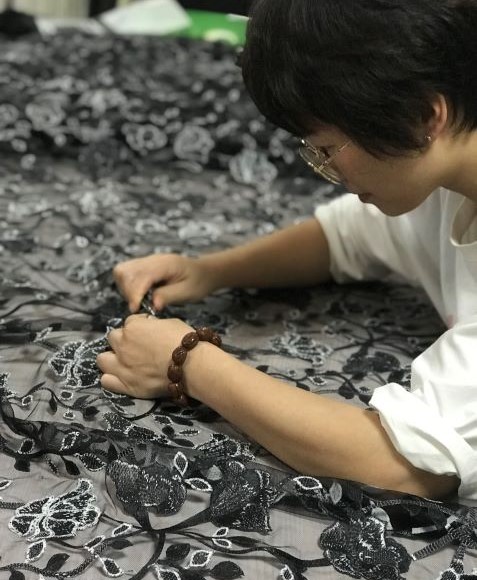
We adhere to strict quality standards at every stage, from raw material selection to final testing, to ensure that our products always maintain excellent quality and meet global certification requirements

Timely

We’re proud of our 95% on-time delivery rate – a testament to our reliability. For the rare 5% of cases with potential delays, we prioritize transparent communication, reaching out well in advance to adjust plans together, ensuring you’re never caught off guard.

Attentive

Our team takes a careful attitude - understanding your needs, answering your questions in a timely manner, and ensuring that every interaction is personalized for you

Expertise

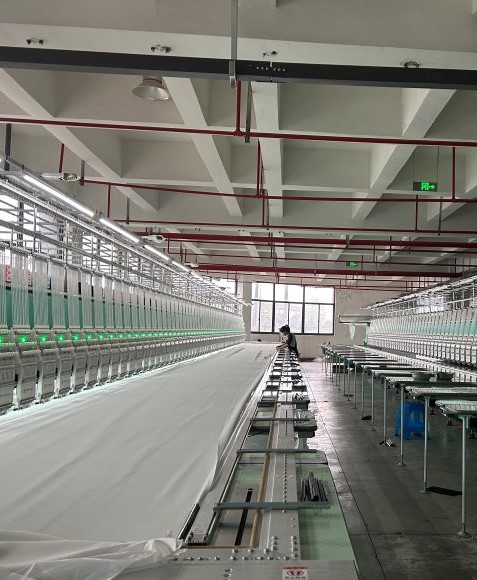
Backed by 20+ years of industry expertise, advanced manufacturing facilities, and a skilled R&D team, we deliver solutions that stand the test of global demands.

Collaboration

Beyond direct client partnerships, we actively seek to build robust collaborations with multi-channel partners and specialized agents, aiming for comprehensive, mutually beneficial growth.

Natural fiber material

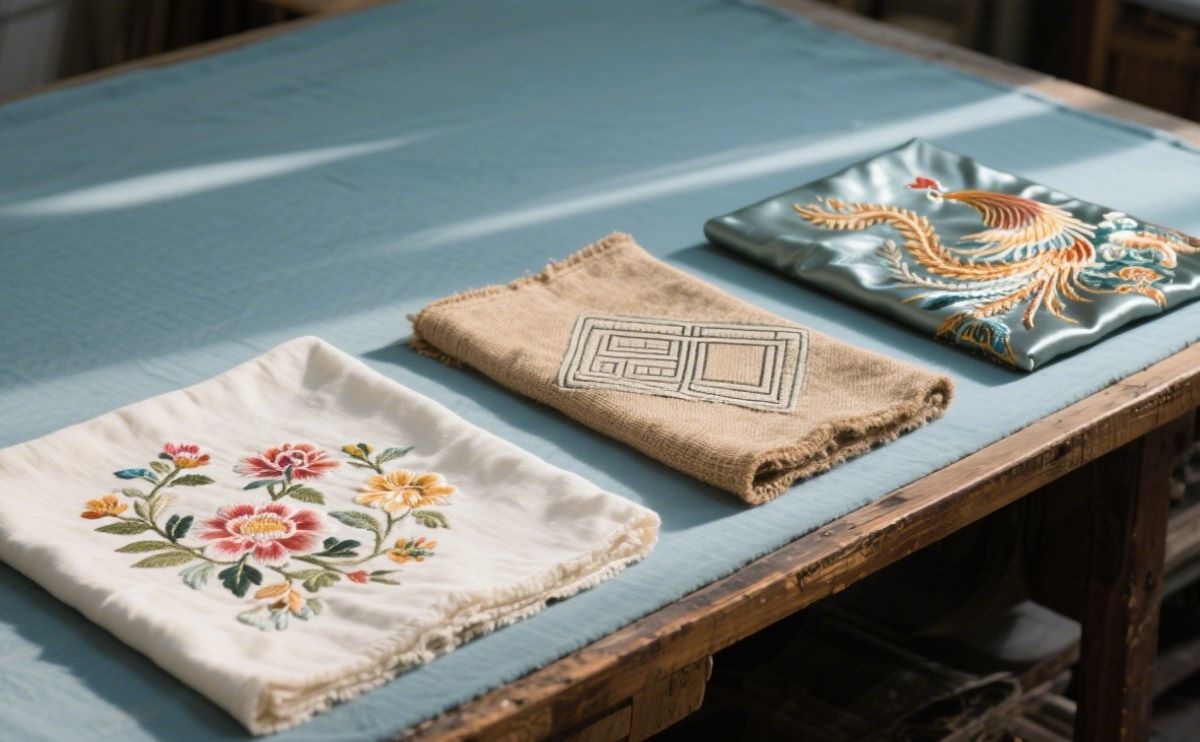
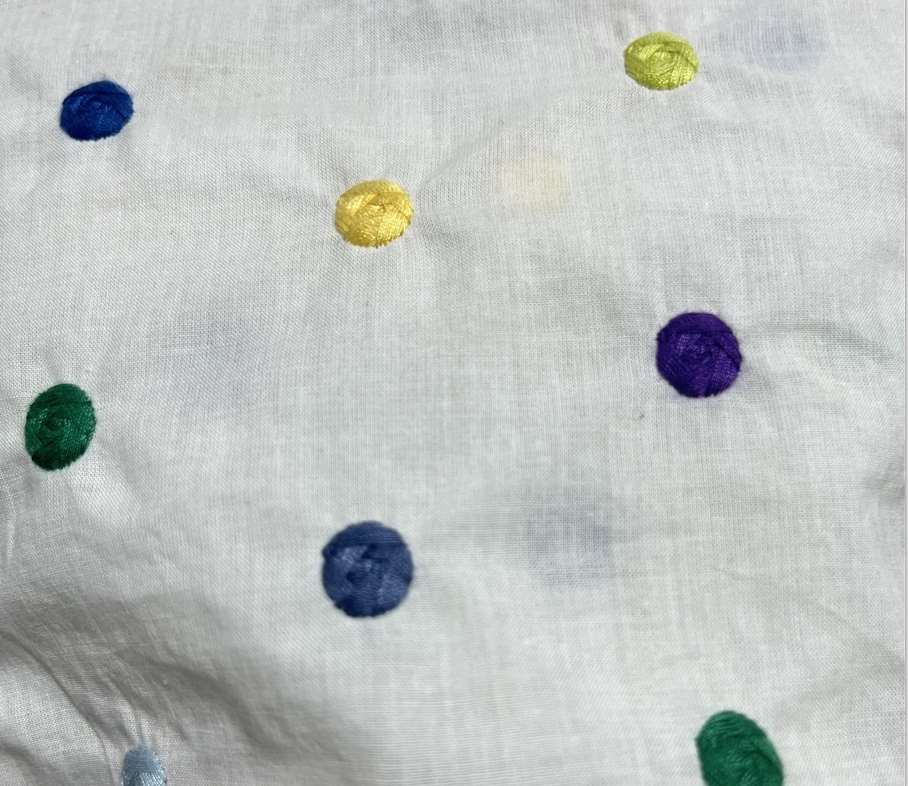
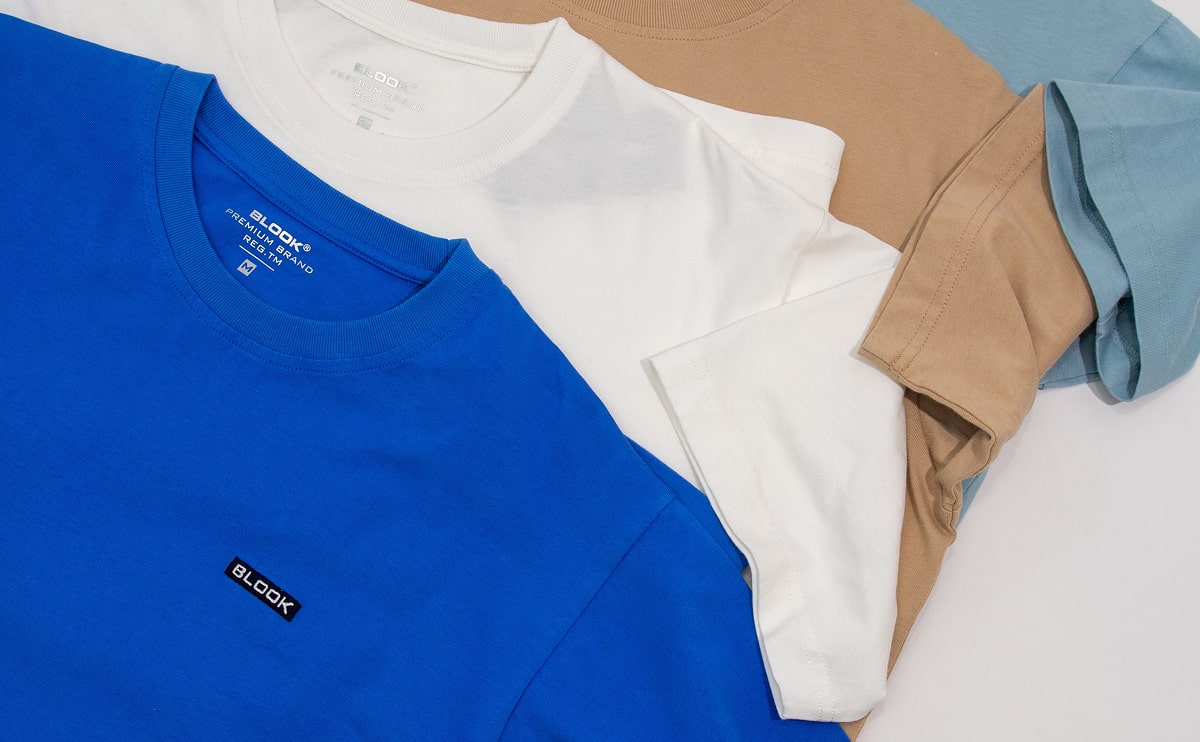
Cotton fabric Cotton fabric is undoubtedly one of the most common and widely used embroidery fabrics. It is made from cotton as raw material through textile technology. Its biggest feature is its softness and skin friendliness, like a gentle spring breeze that gently brushes over the skin, bringing ultimate comfort to people. Meanwhile, cotton fabric has excellent breathability and moisture absorption properties. In hot summer days, it can quickly absorb the sweat excreted by the human body and dissipate it, keeping the wearer dry at all times. This characteristic makes cotton fabric an excellent choice for embroidery in daily clothing. Whether it's a simple T-shirt or an elegant dress, the embroidery patterns on cotton fabric can showcase a unique charm.

From a detailed perspective, plain cotton has a strong and wear-resistant texture, and is commonly used in high-end embroidery fabrics. Its tightly woven structure can well carry complex and exquisite embroidery patterns, making embroidery more solid and three-dimensional on it. For example, some luxury brands often use plain cotton fabric for embroidered shirts, showcasing luxury and quality through exquisite embroidery techniques. For clothing factories, cotton fabrics have a stable supply and are suitable for large-scale production of various embroidered garments; Agents can also attract more customers by leveraging the public recognition of cotton fabrics during promotion.

In the linen family, ramie cloth and linen cloth are more prominent. The fibers of ramie cloth are long and strong, with moisture absorption and breathability that is 3-5 times that of cotton, as if it is a fabric tailored for the hot summer. Moreover, it also has antibacterial and anti mold functions, which adds more advantages to its application in summer clothing. Imagine wearing a short sleeved shirt embroidered with ramie cloth, not only cool and comfortable, but also without worrying about bacterial growth and clothing mold. It can be said to be a win-win situation. Linen fabric is highly favored for its natural and environmentally friendly properties. Its texture is relatively rough, emitting a rustic atmosphere between the textures, especially suitable for artistic embroidery design. When delicate embroidery techniques are combined with the natural texture of linen fabric, a unique artistic atmosphere is created. Many literary and artistic brands cleverly use linen embroidery to showcase a natural and casual style in their clothing. For clothing factories that pursue uniqueness and quality, linen fabric can add unique selling points to their products; Agents can promote to consumers who value nature and environmental protection, which has great market potential.

Silk, known as the "queen of fibers", has a smooth and delicate touch and a soft luster like moonlight, making it the perfect choice to enhance the high-end feel of embroidery patterns. When embroidery meets silk, it is like a magnificent encounter, and embroidery patterns shine even more brilliantly against the backdrop of silk. Whether it's a Chinese qipao or a Western evening gown, embroidery on silk fabric can showcase unparalleled elegance and nobility. Different types of silk also have their own unique embroidery effects. For example, silkworms have a soft silk texture that perfectly fits the curves of the human body, and embroidery on them is graceful and elegant; Although the color of oak silk is relatively dark, its unique texture can add a rustic charm to embroidery. Silk fabric is suitable for making high-end embroidered clothing. If clothing factories use this type of fabric, it can enhance product quality and added value; When facing the high-end consumer market, silk embroidery fabric is a highly competitive product for agents.


Blended and synthetic materials

Blended and polyester, as a common synthetic material, also play an important role in embroidered clothing fabrics. It has the characteristics of being sturdy and wear-resistant, like a tough guardian, guarding the embroidered patterns to prevent them from falling off easily. At the same time, polyester has excellent wrinkle resistance, and even after multiple wearing and folding, it can quickly restore its flatness, which brings great convenience to daily wearing and maintenance. Many sportswear brands choose to use polyester fabric embroidery on their clothing, which not only meets the requirements for durability during sports, but also showcases their unique brand identity and design style through embroidery. ​
For clothing factories, polyester fabric is relatively affordable in price and has stable performance, suitable for producing embroidered clothing in various sports and leisure styles, and can effectively control production costs; When promoting, agents can emphasize its durability and ease of maintenance to attract customers who value practicality. Fiber material

Nylon material is lightweight and wear-resistant, especially suitable for sportswear or functional embroidery products. During exercise, clothing needs to have good wear resistance and lightness to reduce the constraints on athletes. Nylon fabric precisely meets these needs, and it also has a certain degree of elasticity, which can better adapt to the movement posture of the human body. For example, some outdoor brands' jackets use nylon fabric and embroidered decorations in key areas, which not only enhances the functionality of the clothing but also increases its aesthetic appeal. Clothing factories use nylon fabric to produce embroidered sportswear, which can meet consumers' high requirements for clothing performance; Agents can use it as a featured product to expand the sportswear market.

Cotton linen blended fabric combines multiple advantages, and clothing factories use it to produce embroidered clothing that can meet the needs of different consumers; When promoting agents, their comprehensive performance advantages can be highlighted to attract more buyers. ​
Our company supplies various high-quality embroidered clothing fabrics. Whether you are a clothing factory in need of stable fabric sources, an agent seeking competitive products, or other customers in need, you can find suitable fabrics here. Welcome to contact us anytime to learn more about fabric details and cooperation matters, let's work together to create a wonderful embroidered clothing market. The brand's assault suit uses nylon fabric and embroidered decorations in key areas, which not only enhances the functionality of the garment but also increases its aesthetic appeal. Clothing factories use nylon fabric to produce embroidered sportswear, which can meet consumers' high requirements for clothing performance; Agents can use it as a featured product to expand the sportswear market.
Integrity

Ac non ac hac ullamcorper rhoncus velit maecenas convallis torquent elit accumsan eu est pulvinar pretium congue a v

Compliance

 consectetur condimentum risus lobortis cum dignissim mi fusce primis rhoncus a  suspendisse a.

Quality

 elementum.Parturient ullamcorper natoque mi sagittis a nibh nisi a suspendisse a.

Related posts